
Poor grading is one of the leading causes of standing water, foundation damage, soil erosion, and landscape deterioration. If water pools around your home after every rainfall or your yard has uneven ground, professional land grading may be the solution. Proper grading redirects water away from your property, improves drainage, and helps protect your home’s foundation for years to come.
At WSC Drainage, we provide professional grading and drainage solutions designed to improve water flow, prevent costly repairs, and increase the usability of your property. In this guide, we’ll explain the average grading costs in 2026, the factors that affect pricing, and why investing in proper grading can save thousands in future repairs.
What Is Land Grading?
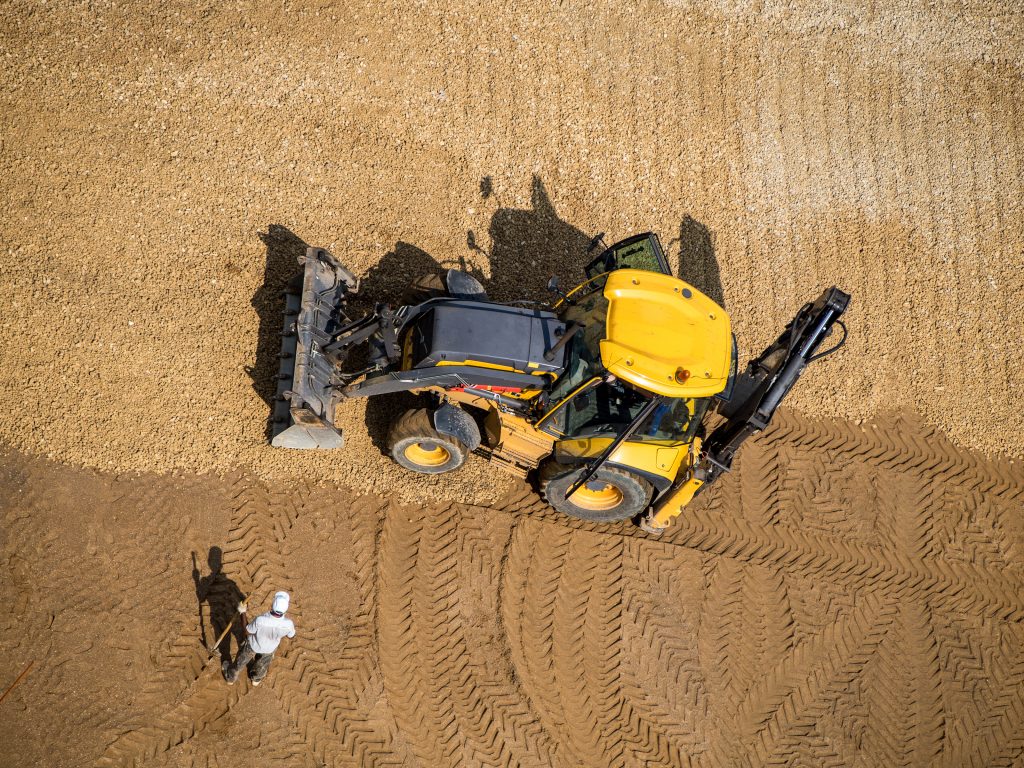
Land grading is the process of reshaping and leveling soil to create proper drainage around a property. Professional grading ensures rainwater flows away from your home’s foundation instead of collecting near the structure.
Proper grading helps:
- Prevent foundation damage
- Eliminate standing water
- Reduce soil erosion
- Improve lawn drainage
- Protect landscaping
- Increase property value
Whether you’re building a new home or correcting drainage issues on an existing property, grading is an essential part of long-term property maintenance.
Average Grading Cost in 2026
In 2026, most residential grading projects cost between $1,000 and $6,000, although larger or more complex drainage projects can exceed this range.
General pricing depends on:
| Project Type | Average Cost |
|---|---|
| Small Yard Leveling | $1,000 – $2,000 |
| Medium Residential Grading | $2,000 – $4,000 |
| Large Property Grading | $4,000 – $6,000+ |
| Grading with Drainage Installation | $3,000 – $10,000+ |
Actual costs vary depending on your property’s layout and drainage requirements.
What Affects Grading Costs?
Several factors determine the total cost of a grading project.
1. Property Size
Larger lots require more labor, equipment, and materials, making them more expensive to grade than smaller residential yards.
2. Existing Slope
Properties with steep slopes or severe drainage issues require additional excavation and soil movement, increasing labor time and overall project costs.
3. Soil Conditions
Not all soil is easy to work with.
Heavy clay soil, rocky terrain, or compacted ground often requires specialized equipment and additional labor, while loose soil is generally easier and less expensive to grade.
4. Drainage Improvements
Many grading projects include drainage solutions such as:
- French drains
- Catch basins
- Swales
- Drainage pipes
- Surface drains
Adding these systems increases the overall cost but significantly improves long-term drainage performance.
5. Equipment Accessibility
If excavation equipment cannot easily access your backyard because of fences, trees, or narrow spaces, contractors may need smaller machinery or additional manual labor.
Limited access usually increases project costs.
6. Existing Water Damage
If poor grading has already caused erosion, washed-out landscaping, or foundation issues, additional repairs may be necessary before grading begins.
Yard Leveling Costs
Yard leveling is often included as part of grading projects.
Leveling helps eliminate the following:
- Low spots
- Uneven lawns
- Water pooling
- Tripping hazards
- Poor drainage
Small leveling projects usually cost less than complete property grading, while extensive reshaping of large yards requires more equipment and labor.
Why Proper Grading Is Worth the Investment
Many homeowners delay grading until water damage becomes serious.
Unfortunately, repairing foundation damage, flooded basements, or landscape erosion is usually far more expensive than correcting drainage early.
Professional grading offers long-term benefits, including:
- Better drainage
- Reduced flood risk
- Healthier landscaping
- Stronger foundation protection
- Less standing water
- Improved curb appeal
- Higher property value
Proper grading is one of the most cost-effective ways to protect your home’s structural integrity.
Additional Drainage Solutions That May Be Needed
In some cases, grading alone isn’t enough.
Professional drainage contractors may recommend combining grading with:
French Drains
Underground drainage systems that collect and redirect groundwater away from your home.
Catch Basins
Capture surface water before it pools around your property.
Drainage Swales
Shallow channels that safely direct rainwater across your yard.
Downspout Extensions
Move roof runoff farther away from the home’s foundation.
Combining grading with these drainage systems provides long-term protection against water damage.
Should You Grade Before Landscaping?
Yes.
Professional contractors recommend completing grading before installing the following:
- Sod
- Mulch
- Flower beds
- Shrubs
- Patios
- Walkways
- Retaining walls
Installing landscaping before correcting drainage often leads to damaged plants, washed-out mulch, and expensive repairs.
DIY vs. Professional Grading
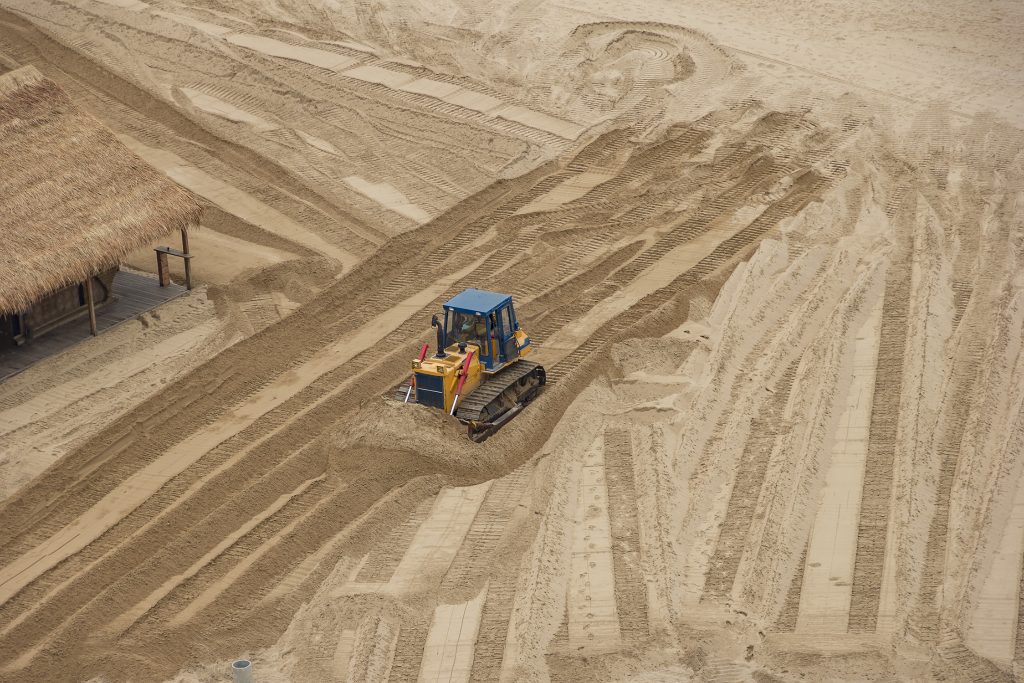
While small landscaping projects may seem manageable, grading requires precise calculations to ensure proper water flow.
Professional grading contractors use specialized equipment and understand:
- Soil composition
- Water runoff patterns
- Drainage engineering
- Proper slope calculations
- Local grading standards
Incorrect grading can actually make drainage problems worse.
Hiring experienced professionals helps ensure long-lasting results while protecting your home and investment.
Why Choose WSC Drainage?
At WSC Drainage, we specialize in grading and drainage solutions that protect residential properties from water damage. Our experienced team evaluates your property’s unique drainage needs and provides customized grading solutions that improve water flow and safeguard your foundation.
Whether you need yard leveling, drainage correction, or complete site grading, we’re committed to delivering reliable workmanship and lasting results.
Final Thoughts
Grading is one of the smartest investments homeowners can make to protect their property. While the average grading project in 2026 ranges from $1,000 to $6,000, the final cost depends on factors such as property size, soil conditions, drainage issues, and project complexity.
Addressing grading problems early helps prevent foundation damage, standing water, landscape erosion, and costly repairs in the future. If your yard has poor drainage or uneven terrain, professional grading can provide a long-term solution that improves both your property’s appearance and functionality.
Frequently Asked Questions
How much does residential grading cost?
Most residential grading projects cost between $1,000 and $6,000, depending on the size of the property, drainage needs, soil conditions, and project complexity.
Can grading permanently fix standing water problems?
In many cases, yes. Proper grading redirects water away from your home. Some properties may also benefit from additional drainage solutions like French drains or catch basins.
How long does a grading project take?
Most residential grading projects are completed within one to several days, depending on the size of the property and the amount of excavation required.
Can poor grading damage my home’s foundation?
Yes. Poor grading allows water to collect around the foundation, which can lead to cracks, settling, basement leaks, and long-term structural damage.
Should grading be completed before landscaping?
Yes. Grading should always be completed before installing new landscaping to ensure proper drainage and prevent future water-related damage.